

Polyacrylamide (PAM) has been a fixture in F&B wastewater treatment for decades. It works, sure, but there are shortcomings that stack up on your P&L. If you’re responsible for operations, budgets, or performance targets, you should know where PAM is falling short and how plants are solving it.


William Schonbrun is Co-Founder and Chief Operating Officer at CarboNet. His focus on operations gives him unique perspective on PAM's negative impact to a plant's P&L.
POLYACRYLAMIDE (PAM) IS A POLYMER used in wastewater treatment to separate solids from liquids so facilities can reuse, recycle, or discharge their water. It's been a fixture in dairy wastewater treatment for decades.
This part of plant operations is often seen as a necessary cost. But when you account for the widespread negative effects of PAM, a change in chemistry builds a case for significant savings and risk reduction—creating a competitive advantage for producers through smarter ops.
The negative effects of PAM can be found in
We’ve worked with some of the largest wine, meat, dairy, and frozen food processors in North America to help them cut PAM and lower their cost-to-treat.
Here’s what we've learned about where PAM falls short, and how plants are solving it.
F&B wastewater is complex. Production batches and product changeovers can be challenging to keep up with. Influent typically has wide swings in Fat Oils and Grease (FOG) levels, Total Suspended Solids (TSS), temperature, and pH. PAM wasn’t built to adapt. It binds indiscriminately, so operators need to measure and adjust frequently, often overdosing just to stay safe (and compliant).
In one dairy facility, TSS swings led to erratic press performance and rising chemical costs. By simply swapping chemistry, the plant cut PAM use by 62% and improved cake dryness without touching infrastructure.
Underdose PAM and your water misses spec. High TSS and BOD can trigger fines. According to the EPA, 1 in 4 facilities had compliance issues in the last 3 years—costing over $142M in penalties.
Overdose, and flocs clog belts, pipes, and pumps—leading to downtime.
At a poultry processing plant, a single dosing misstep caused belt press blinding, system backups, and a costly emergency haul-off. Removing PAM from the equation helped restore control and eliminated the maintenance spiral.

“We cut suspended solids by 18% and polymer by 90%, then cut out make-down, which also saved our crew hours a week not messing with dosing.” — Plant Operator, CA
For many facilities, make-down is a necessary part of dosing. Especially with dry or solution chemistry.
Some teams want to eliminate make-down entirely. Others just want it to run better. We customize the chemistry program and dosing set up for each facility based on their goals.
By replacing PAM with more responsive chemistry, plants are simplifying prep, reducing water consumption, and freeing up labor. Even where make-down remains, it’s less frequent, less sensitive, and easier to manage.
Wet sludge is heavy sludge. That means more trucks, more fuel, and more emissions.
At one dairy facility, swapping out PAM for CarboNet chemistry improved solids capture, reduced water in the sludge, and helped cut Scope 3 emissions by 25%. That’s not just a sustainability win—it’s a transportation and disposal cost win.
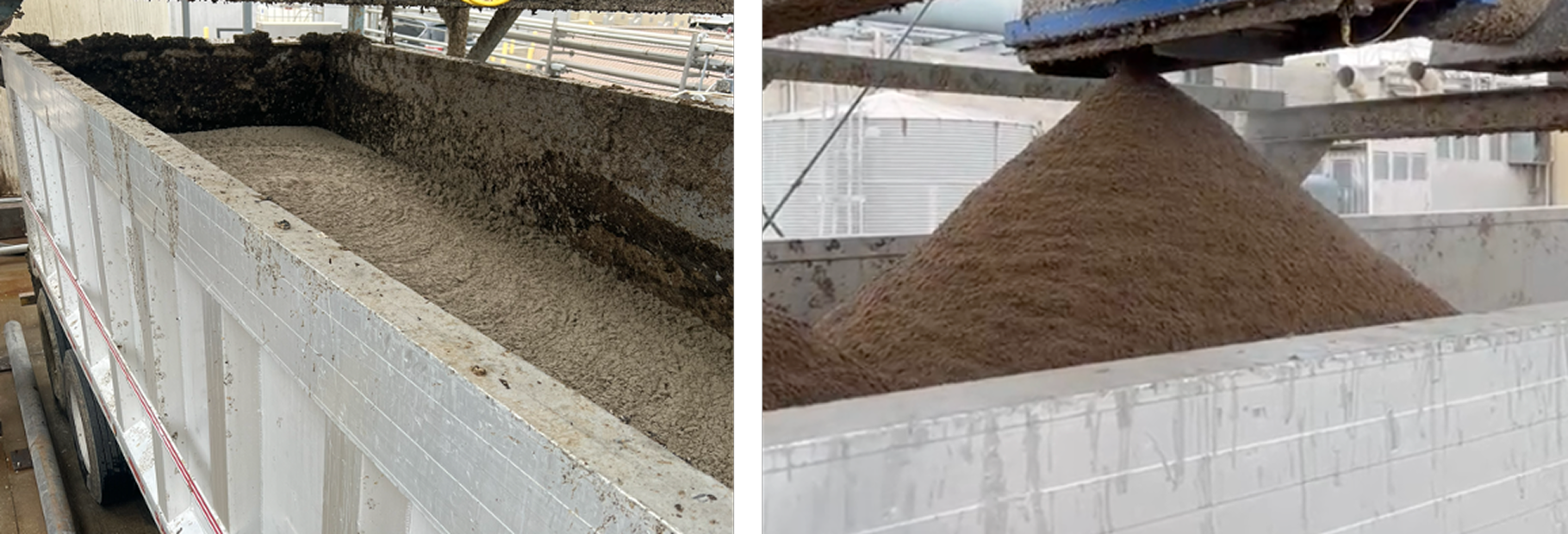
CarboNet is helping F&B producers solve their PAM problems with NanoNets, an advanced chemistry platform that creates novel molecules to target particles in water at 10x the efficiency of legacy chemicals.
NanoNet-enhanced coagulants and flocculants can meet the challenging influent swings that come with F&B wastewater.
You don’t need to overhaul your system to make a change. Many plants are cutting:
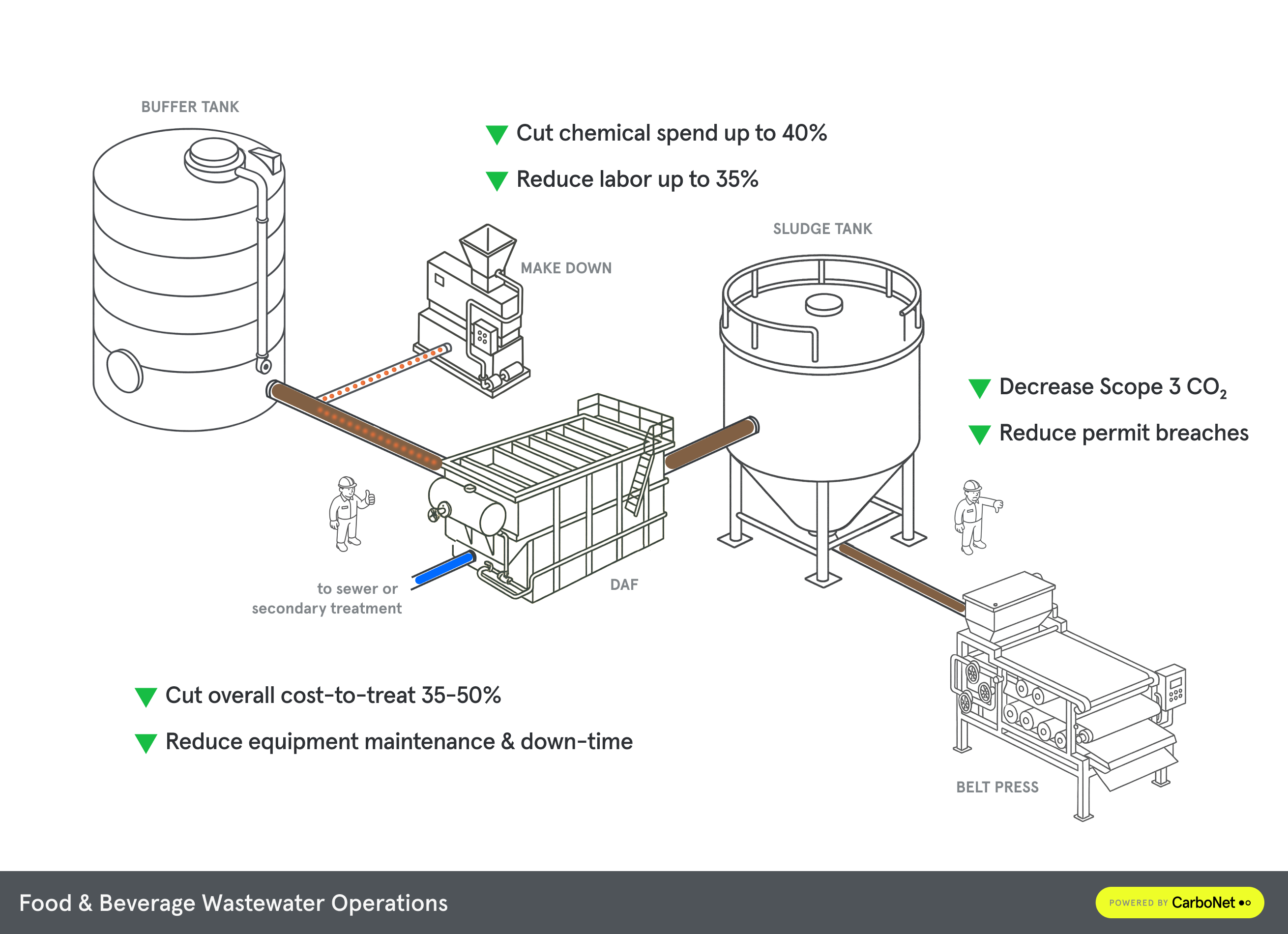
How to assess your treatment chemistry
And, obviously, give us a call to talk sludge. It's our favorite subject.
William Schonbrun manages CarboNet's product strategy, manufacturing, and distribution. With over 20 years in operations and product management, he played a key role in launching CarboNet in 2018 and has a history of guiding teams to successful outcomes at Blast Radius, Monexa, and Oracle.
Randy Khalil, Dewatering & Water Treatment SME
Treating F&B Wastewater? Let's Talk.
© 2026 CarboNet. All rights reserved