CarboNet chemistry optimizes municipal water treatment by cutting PAM 80% and cost-to-treat 50%—while helping preserve your CAPEX, reduce your OPEX, and hit your KPIs.
Reference Case

CarboNet flocculants, coagulants, and automated treatment help utilities maintain control under pressure.
Cuts chemical spend: CarboNet flocculants handle high flow and variable load without overdosing, dropping cost-to-treat by up to 50%. In most cases, they replace 70–90% of traditional PAM.
Simplifies operations: Gels require no make-down; emulsions need minimal prep. Both formats reduce labor and setup time—helpful with rotating crews, smaller teams, or constrained footprints.
Coagulants that stabilize the system: SimplePrime coagulants clarify faster and reduce sludge volume. They’re built to pair cleanly with our flocculants, especially where pH or organic load fluctuates.
Preserves aging infrastructure: Stronger floc formation leads to less gumming of filters and presses, fewer backwashes, and less wear on equipment that’s already past its prime.
Supports compliance, quietly: Our flocculants maintain performance even when the influent shifts, keeping solids and pH within spec, and reducing the risk of permit violations.
Centralizes visibility: SpecialOps offers a real-time dashboard for chemistry use and site performance—useful for plant teams, essential for regional managers overseeing multiple facilities.

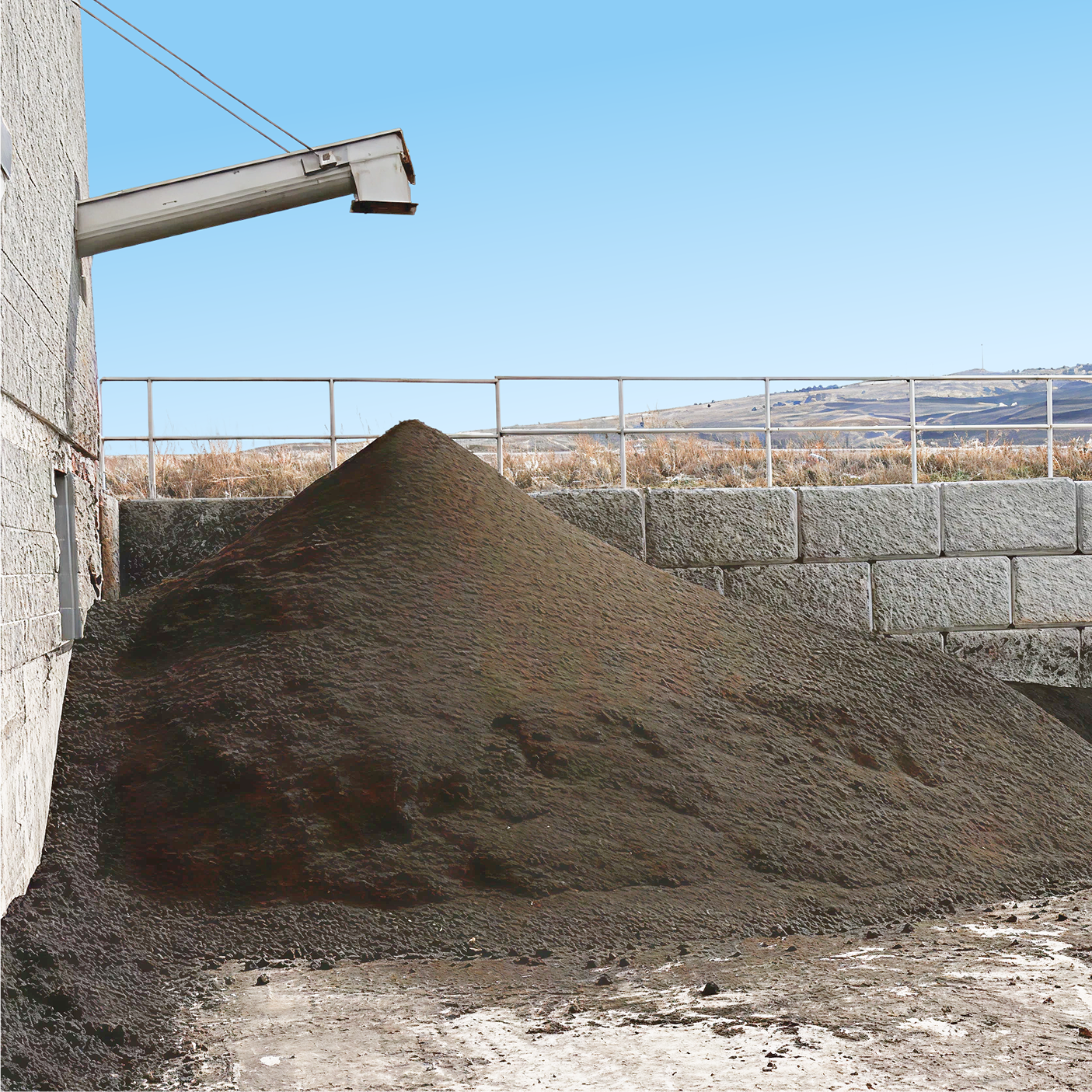
An Idaho Water Pollution Control Facility (WPCF) aimed to increase sludge dryness and improve their ability to manage and transport cake solids.
Background: This facility treats ~12m gallons/day using 2 circular DAF clarifiers to concentrate waste activated sludge that is then sent to digesters for processing. Anaerobically digested sludge is dewatered using screw presses, where a cationic emulsion polymer is applied. Cake solids range from 10-12% dryness when dewatering is complete. Solids are collected on a skid and transported by truck to local farms. At 10-12% dryness, volume ranges from 3.5 to 5.5 truck loads per day.
Problem: Operators were told their new screw presses could achieve cake solids dryness up to 17%. They discovered, however, that incumbent chemistry was unable to achieve this target.
Approach: CarboNet tested variants of SimpleFloc emulsion polymers, selecting 4081C, a NanoNet-enhanced formulation that improves performance with a lower volume of active Polyacrylamide (PAM).
The product implementation team initially achieved a 14% cake solids dryness with SimpleFloc, then identified and made several treatment improvements:
An aging tank was installed to improve sludge separation efficiency.
Dilution water was increased to improve how the chemistry spreads and reacts.
These changes brought solids dryness up to 16-18% when using SimpleFloc. Tests confirmed there was no improvement when using the incumbent chemistry.
Results: Switching to SimpleFloc improved cake solids dryness at similar or lower dosing compared to the incumbent in the same conditions. The dry sludge is more stackable, meaning the facility can manage inventory more effectively on the skid.
This is especially helpful during periods when solids cannot be applied to farm land. Improved dryness also reduces hauling needs by 33%, cutting annual costs significantly.


“CarboNet chemistry is a game changer. It doesn’t just fix the water. It fixes the business. We take on more projects with less labour and better margins thanks to their products and support.”
Kevin Bossy, Bishop Water

“I sleep at night knowing that my guys aren’t running around managing peroxide, mixing poly, adding coag... and constantly adjusting dosing. CarboNet made things a LOT easier.“
Energy Operator, Texas

“It’s the most technologically innovative water treatment application I have laid eyes on this decade. It has been excellent in helping us operate within spec, and in simplifying our overall process. It’s the difference between a system that just meets regulations and one that’s set up to accelerate and scale.”
Randy Khalil, Dewatering & Water Treatment SME
NanoNets power every CarboNet formulation at the molecular level to improve clarity, reduce waste, and accelerate water treatment across systems.
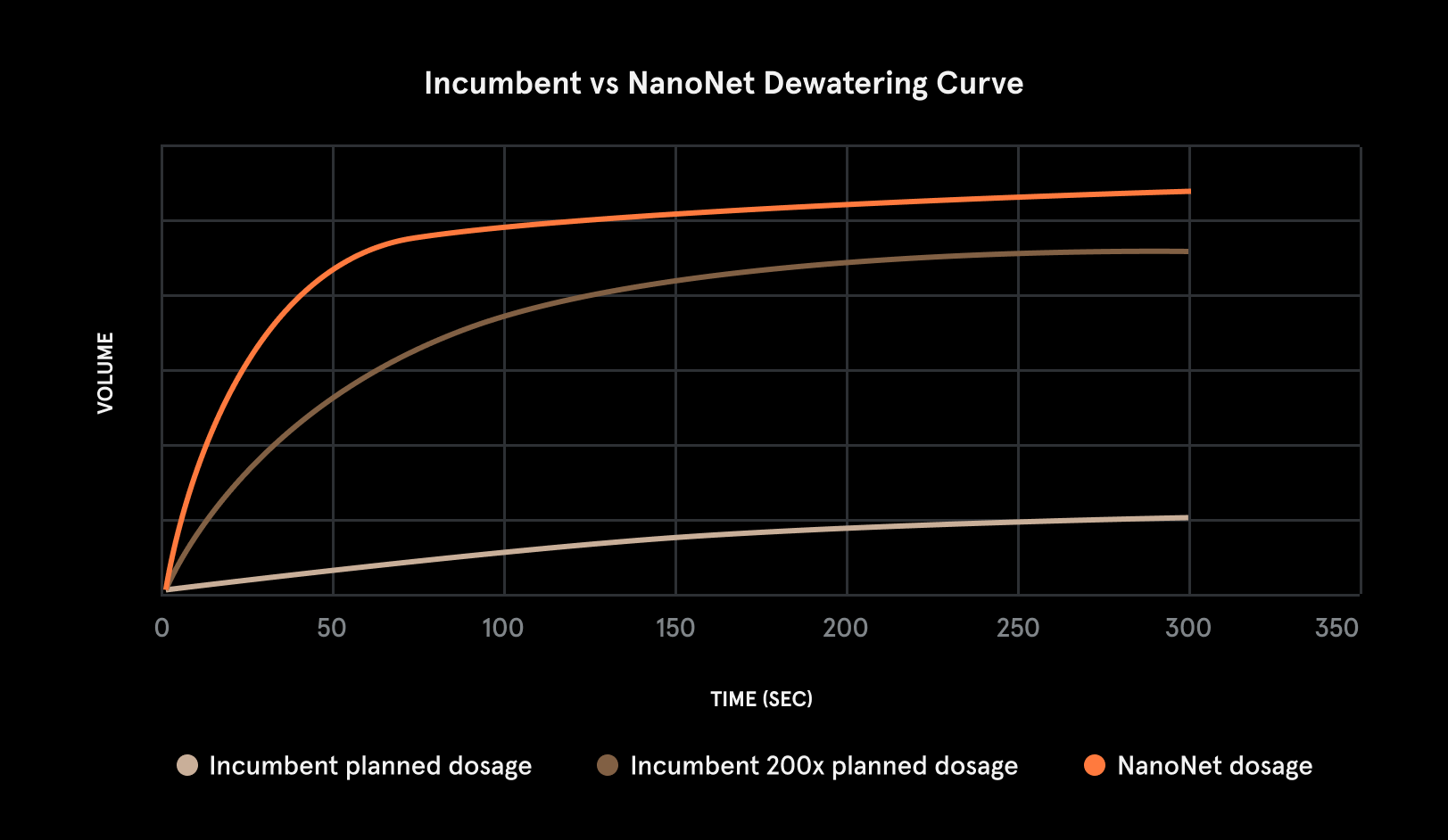
NanoNet flocculants drain faster and more completely—even at lower doses—compared to traditional polymers. The chemistry simplifies prep and holds up when flow, solids, or equipment conditions shift.
Randy Khalil, Dewatering & Water Treatment SME
Let's talk sludge, and savings.
We’ll discuss your goals and how our chemistry stacks up against your current solution. Expect a clear, detailed report on what we bring to the table.

© 2023 CarboNet. All rights reserved