Reference Cases

Geobag Dredge Dewatering

Geobag Dredge Dewatering

Geobag dewatering comes with several challenges on temporary dredge sites
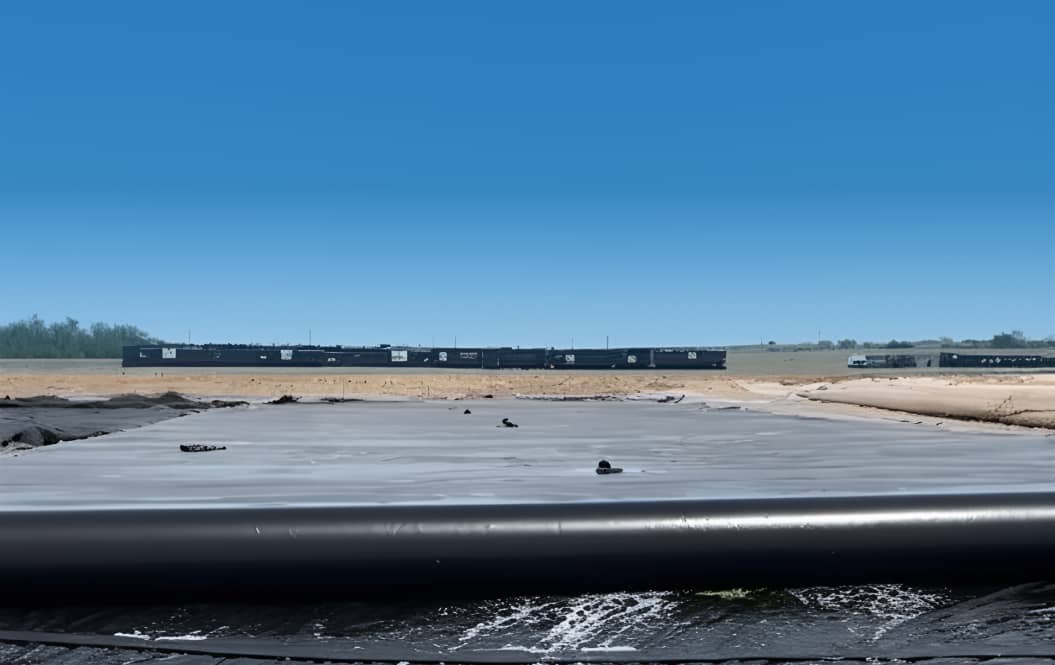
A DREDGING CONTRACTOR dewaters accumulated solids from wastewater holding lagoons using geotextile dewatering bags. CarboNet provided chemistry that could run without source water and avoid blinding—without requiring chemical expertise on site.

BACKGROUND:

A poultry processing facility transfers wastewater into lagoons, which must be periodically dredged to maintain capacity. The dredged sludge is dewatered on site using geotextile bags.

PROBLEM:

Geobag dewatering comes with several operational challenges on temporary dredging sites:

  • Clean source water is often unavailable, complicating polymer dilution and make-down.
  • Dredging produces highly variable solids concentrations, making consistent dosing difficult.
  • Emulsion polymer is susceptible to overdosing and continued hydration inside the bag.
  • Excess polymer migration into geotextile pores can cause bag blinding, slowing or stopping dewatering.
  • Blinded geobags require manual intervention, extended downtime, or in some cases, abandonment.

APPROACH:

CarboNet tested on-site to find the optimal chemistry for this job, selecting SimpleFloc 3240, a pre-hydrated polymer designed for direct dosing without make down. Our team supplied pumps, assisted with rig-up, and dosing calibration to:

  • Eliminate the need for source water and dilution systems.
  • Reduce blinding risk by limiting excess polymer migration into geotextile pores.

RESULTS:

SimpleFloc was selected as the sole polymer for the site, used to treat approximately 9,000 cubic yards of dredged lagoon sludge.

  • Geobags operated without blinding events that would have required shutdowns, bag replacement, or extended passive dewatering.
  • Successful execution increased contractor confidence to bid larger and more time-sensitive geobag dredging projects.
RESULTS
  1. • 9,000 cubic yards of sludge treated
  2. • Eliminated blinding events / shut downs
  3. • Reduced on-site labor requirements
  4. • Improved certainty on future bids

Chemistry to compete

CarboNet’s NanoNet platform generates flocculants, coagulants, and targeting agents that that adjust in real time to changing wastewater conditions—cutting cost, dose rates, labor, and emissions.