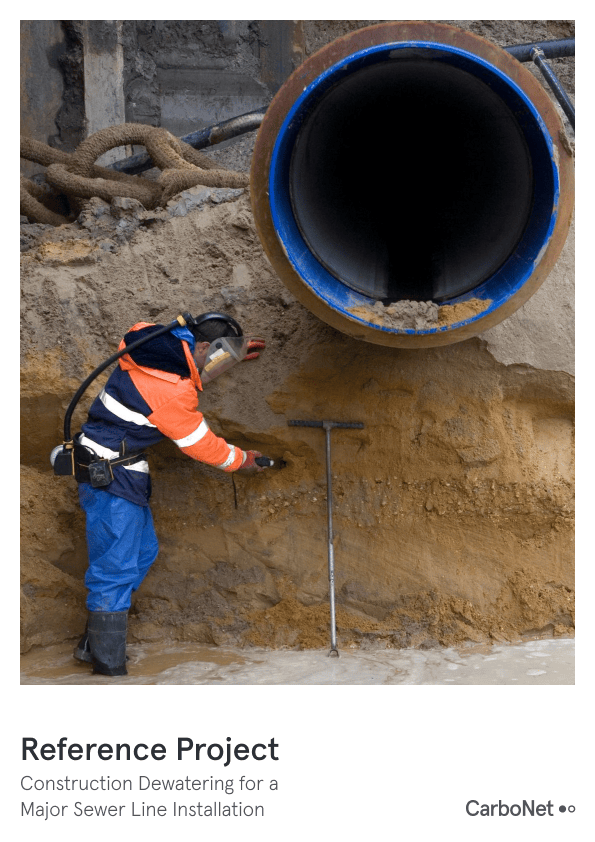
Automated dosing cuts costs 30% by matching swings in influent volume and TSS
A dredging operation in Texas was tasked with removing solids from a reservoir to clear blockage from a city water plant’s inlet. Over 40,000 cubic yards of sediment needed to be removed, dewatered, and sent to the landfill.

New chemistry program prevents equipment fouling, allowing profitable operations to resume.
This facility was unable to meet operational requirements when solids accumulation carried over into wash equipment.

Meeting clarity KPIs required excessive polymer doses, pushing this producers annual chemistry costs over $800,000.
CarboNet reduced polymer consumption while maintaining or improving clarity, press performance, and day-to-day reliability.

A frozen food producer cut wastewater sludge volume 75% by switching to CarboNet advanced chemistry.
Beyond savings in cost-to-treat, the changes also reduced Scope 3 emissions, creating successful outcomes for their EHS and maintenance teams.
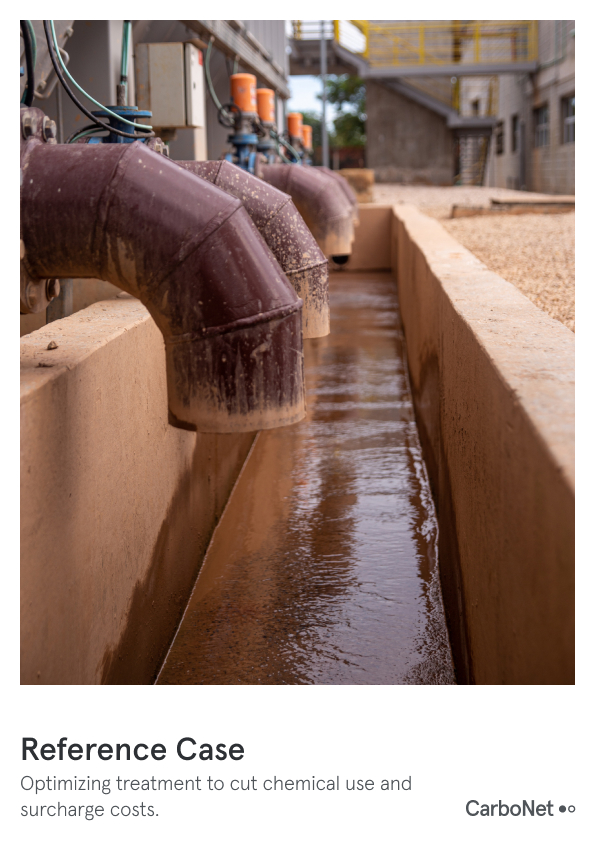
The facility sought to reduce effluent turbidity and associated surcharges while minimizing chemistry costs.
CarboNet chemistry delivered on the KPIs at a lower chemical cost, while eliminating a health & safety concern.

A potato processor met new, tighter restrictions on effluent turbidity using less active PAM.
The new chemistry program hit KPIs and reduced the total cost to treat while enabling the facility to recycle 80% of the wash water.

New regulations required operators to recycle more water and dispose less, leading a major E&P in the Permian to overhaul their treatment.
CarboNet chemistry shaved millions off the P&L and optimized an otherwise inefficient treatment process.

SimpleFloc delivered cost-effective and environmentally friendly results on 900km of new pipeline construction.
SimpleFloc delivered cost-effective and environmentally friendly results on 900km of new pipeline construction.

SimpleFloc gels remove an equipment bottleneck for this dredger, allowing them to take more jobs and improve profits
A regional municipality was dredging a lagoon in preparation for upgrades. Our customer was contracted to dewater the dredged biosolids and enable the construction of the new system.

An energy company faced stiff fines for breaching arsenic levels in their landfill leachate and gas condensate wastewater.
Sludge regularly gummed up filters intended for heavy metals and similar particulates during wastewater treatment. The source? Inconsistent flocs due to polyacrylamide (PAM).
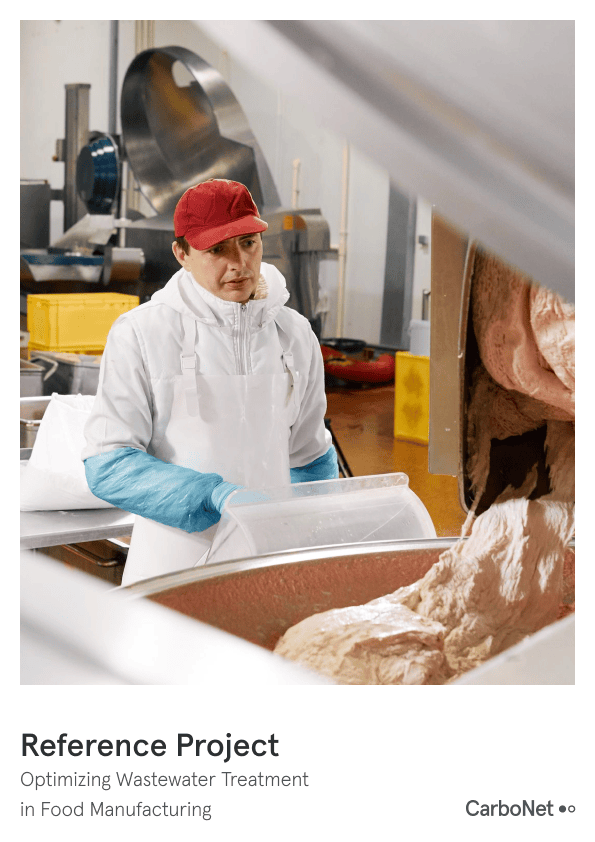
Switching to SimpleFloc gels eliminated make down, labor constraints, and compliance issues.
A poultry processor in Northern California struggled to staff make-down operations which, when combined with an unreliable chemical supply chain, led to wastewater that regularly breached permissible levels of suspended solids.
© 2026 CarboNet. All rights reserved